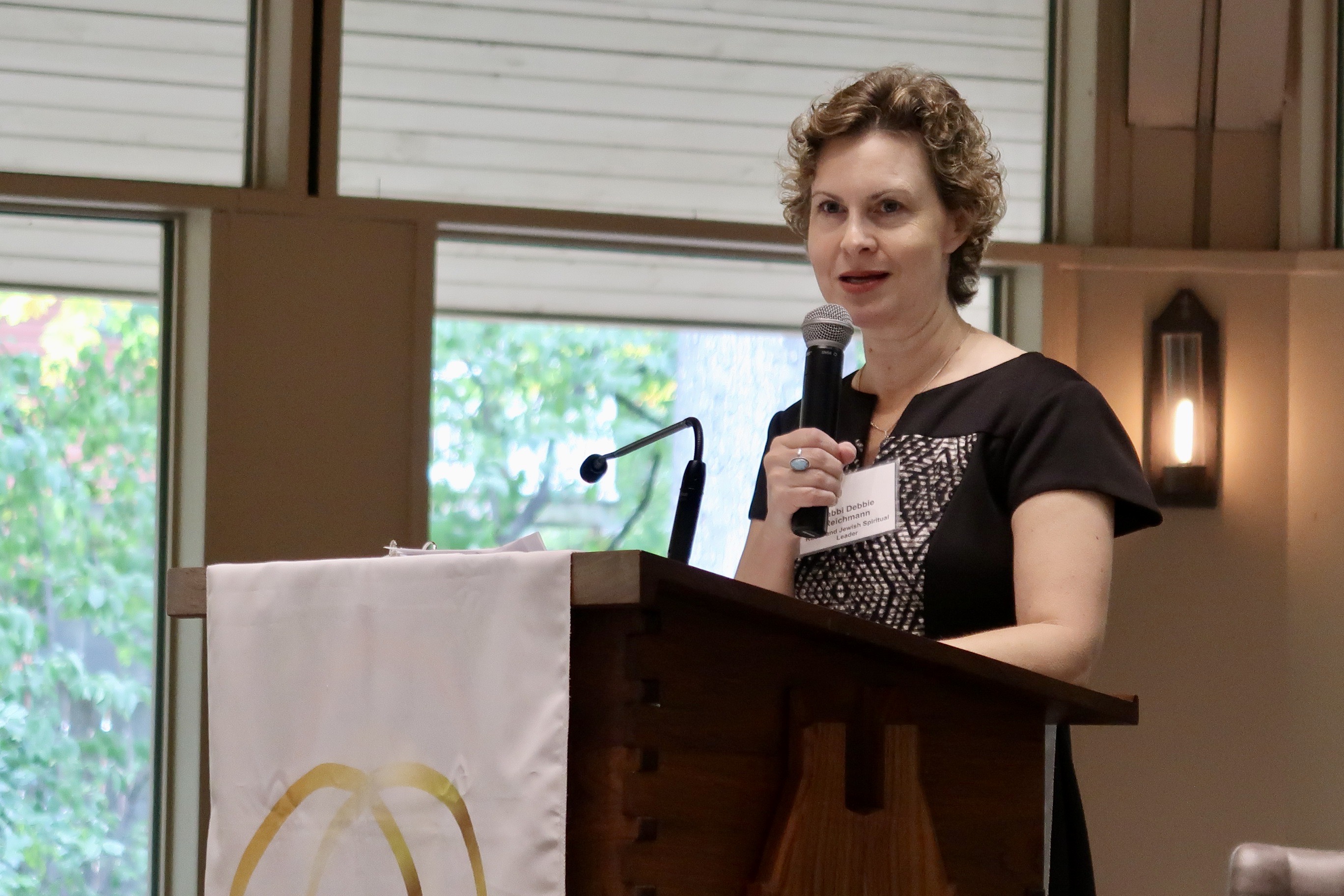
Adapted from Rabbi Debbie’s reflection at the IFFP Gathering on January 11, 2026
Among the big questions our COA class tackles each year is how to build the Beloved Community. Let’s take a moment to examine that question together.
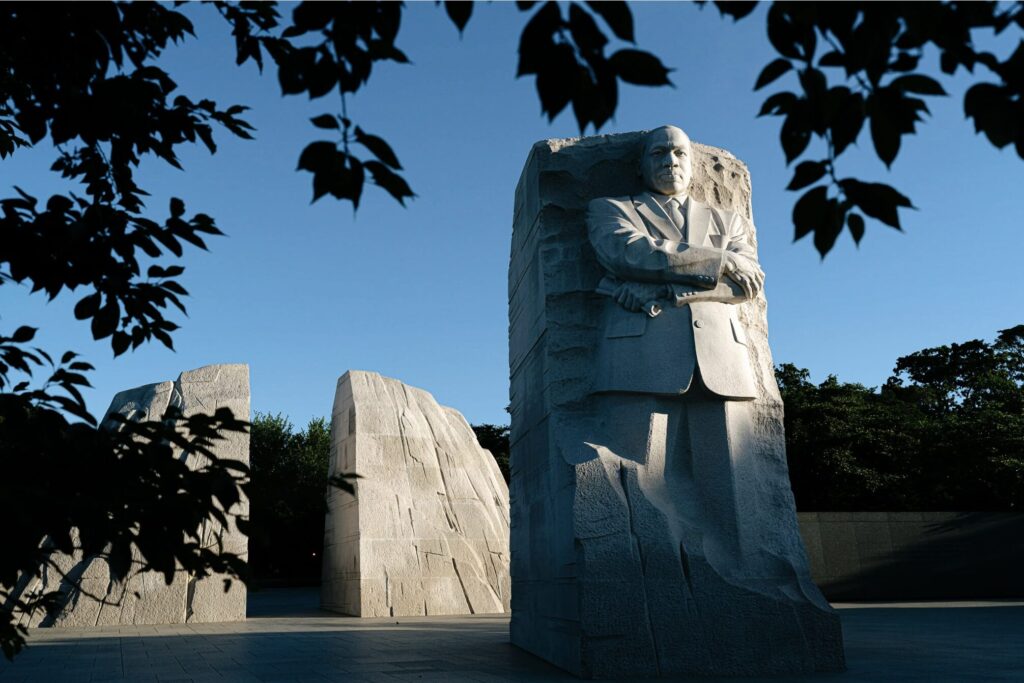
Dr. Martin Luther King Jr. envisioned the Beloved Community as a society grounded in justice, equal opportunity, and love for all humanity. For him, this was not an unattainable dream or an impossible utopia; it was a real, achievable goal.
Given what is happening today, not only here but around the globe, that vision may seem naïve, even foolish.
It is not.
Here in this room,and within our community,we possess and nurture the knowledge and the tools that can make it happen. The roadmap already exists in our shared sacred texts, our interfaith love, and our lived experience.
We may not always recognize how remarkable this is. When Dr. King marched, he was joined not only by Jews and Muslims, but also by Catholics and mainstream Protestants. At that time in U.S. history, even interfaith marriage between Catholics and other Christians, or between evangelicals and mainstream Protestants, was condemned. Religion was not defined by broad shared beliefs, but by deep and often unbridgeable divisions.
In many ways, those distinctions are still with us.
Dr. King’s message called for reconciliation across and within religions, across and within ethnic divisions, and across and within social classes. That vision of reconciliation was central to his understanding of the Beloved Community.
The three scriptural texts we read together were fundamental to this message. Dr. King emphasized that all people are created in the image of God, that each human being carries a divine spark. Every one of us. Those we agree with, and those we do not. Those who lift us up, and those who do not.
In a sermon preached on November 17, 1957, Dr. King said:
“The person who hates you most has some good in him; even the nation that hates you most has some good in it; even the race that hates you most has some good in it. And when you come to the point that you look in the face of every man and see deep down within him what religion calls ‘the image of God,’ you begin to love him in spite of. No matter what he does, you see God’s image there.”
It is not required that we like everyone; that would be difficult even for a saint. But it is our duty to seek out that divine spark, and to find ways to hold it dear.
In that same sermon, Dr. King elaborated on this idea using the passage from Matthew we read together: love your enemies and pray for those who persecute you. The effort to recognize the humanity in all people, he taught, must be linked to action.
Dr. King was clear that it is not enough to merely acknowledge the divine spark in others. Being satisfied with the idea that all people contain goodness, without acting on it, only maintains the status quo. Society must advance, grow, and change.
In his famous “I Have a Dream” speech in 1963, after quoting the passage we read from Isaiah, Dr. King continued:
“With this faith, we will be able to transform the jangling discords of our nation into a beautiful symphony of brotherhood. With this faith, we will be able to work together, to pray together, to struggle together, to go to jail together, to stand up for freedom together, knowing that we will be free one day.”
That belief, that unity is the ultimate end, gives hope and purpose to each of us.
Senator Cory Booker often shares a story about his family’s experience confronting racial housing discrimination, an effort that ultimately allowed his parents, and later his own family, to live and grow in a better place in New Jersey. He begins by describing a man who felt deeply called to the civil rights movement but could not march or fight in person. Instead, that man committed himself to fixing what he could within his own community.
He made it his life’s work to identify and dismantle racial housing discrimination because that was what he could do.
We cannot all fight the biggest battles. But our small actions, our convictions, and the lessons we teach our children are part of how change happens. These are the efforts that allow us to “let every valley be raised, every hill and mountain made low, the rugged ground become level, and the ridges a plain.”
These words still inspire us today. But we have grown accustomed to hearing them as echoes of the past.
They are not.
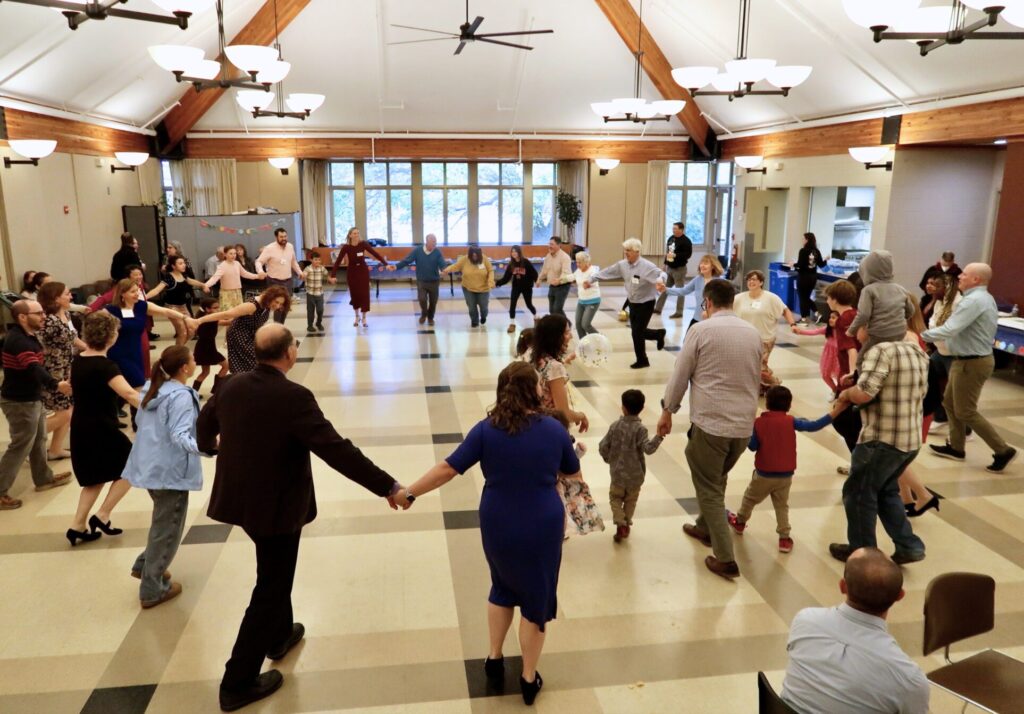
As an interfaith community, we know what it means to seek shared values across different theologies. We know what it means to defend the joy of difference against those who insist that difference is dangerous or corrosive. We know that we cannot change everyone’s mind.
But we can stand as living examples of what it looks like to see the humanity in all people, of what loving one’s enemy can create, and of what a sustained commitment to justice can accomplish.